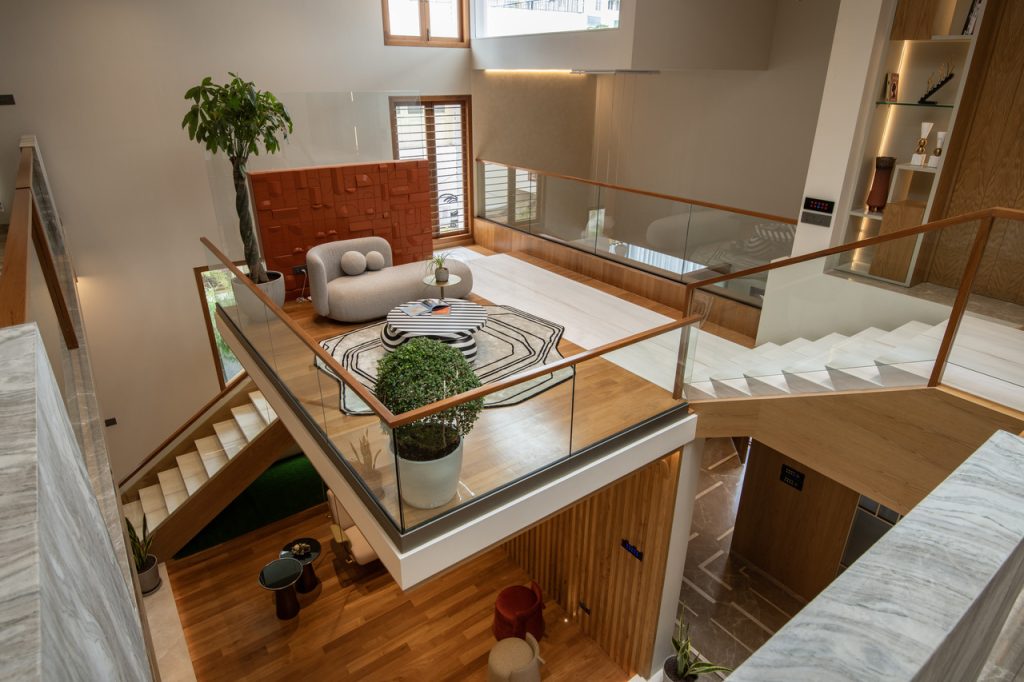
For many years, residential design focused heavily on appearance. Large entryways, formal dining rooms, decorative spaces, and oversized layouts were often seen as signs of luxury and status. While these showcase houses impressed visitors, they did not always support the realities of everyday living. Today, homeowners are moving toward a different philosophy. Modern living spaces are increasingly being designed for comfort, efficiency, flexibility, and practical use rather than display alone.
This shift reflects changing lifestyles, work habits, and personal priorities. Families now want homes that improve daily routines instead of simply creating visual impact. As a result, functional living environments are becoming the new standard in contemporary housing design.
The Growing Demand for Purpose Driven Spaces
Modern homeowners want every room to serve a meaningful purpose. Unused formal spaces are gradually disappearing as people seek layouts that match how they actually live. Open concept kitchens, multi use living rooms, and flexible home offices are now preferred because they support real activities throughout the day.
The pandemic also accelerated this transformation. Homes became workplaces, classrooms, fitness spaces, and entertainment centers all at once. This experience showed people the importance of adaptable environments that could evolve with changing needs.
At the same time, conversations featured in Australian entrepreneur news often highlight how business leaders and innovators are also prioritizing productivity and functionality in both commercial and residential spaces. This broader cultural shift has influenced how people think about the role of the home in modern life.
Technology Supporting Everyday Living
Technology has also contributed significantly to the move toward functional living environments. Smart home systems are no longer viewed as luxury extras but as practical tools that simplify routines and improve efficiency.
Energy management systems, automated lighting, voice controlled devices, and intelligent security systems help homeowners save time and reduce stress. Many online resources that provide Australian tech tips now focus specifically on how smart technologies can improve household organization, sustainability, and comfort rather than simply showcasing expensive gadgets.
These innovations demonstrate how modern housing is becoming more integrated with daily lifestyles. Technology is no longer about impressing guests. Instead, it supports convenience, energy efficiency, and better long term living experiences.
Flexible Spaces for Changing Lifestyles
Another important aspect of functional living design is flexibility. People no longer want rigid room definitions that limit how spaces can be used. A spare bedroom may function as a workspace during the day and a guest room at night. Dining areas may double as collaborative workspaces or study zones.
This flexibility is especially important for younger homeowners and growing families who anticipate lifestyle changes over time. Instead of constantly moving to larger properties, many people now prefer adaptable homes that can evolve with their needs.
Websites such as australiabusinesshub.com.au frequently discuss how modern property buyers value practical versatility over excessive square footage. This reflects a broader understanding that smart planning often delivers greater value than simply increasing the size of a home.
Sustainability and Efficient Living
The shift toward functionality is also connected to sustainability. Oversized showcase homes often require more energy, maintenance, and material consumption. Functional living environments focus on efficient use of resources and long term practicality.
Energy efficient windows, solar integration, durable materials, and water saving systems are increasingly popular because they reduce environmental impact while lowering household costs. Homeowners are becoming more conscious about creating spaces that are sustainable and manageable for years to come.
Minimalist design trends also support this mindset. Rather than filling homes with unnecessary decorative features, many people now prefer cleaner layouts that encourage organization and reduce clutter. Functional environments often create a greater sense of calm and mental clarity.
Lifestyle Centered Communities
The evolution from showcase housing to functional living extends beyond individual homes. Entire residential communities are being designed around lifestyle convenience and accessibility. Walkable neighborhoods, shared recreational spaces, nearby services, and wellness focused amenities are becoming major selling points in real estate development.
Writers contributing to a South Australia lifestyle blog may often discuss how community design influences quality of life just as much as interior architecture. People increasingly want neighborhoods that support social connection, outdoor activity, and work life balance.
This change reflects a broader understanding that housing should support holistic wellbeing rather than merely presenting an image of success.
The Influence of Digital Platforms on Modern Housing Trends
Online platforms and publishing spaces have also played a role in shaping design preferences. Homeowners now access inspiration from digital communities, design experts, and lifestyle publications around the world. Through platforms such as uploadarticle register, creators and industry professionals share ideas about efficient layouts, sustainable living, and practical interior solutions that influence consumer expectations.
This widespread access to information has encouraged people to think more critically about how their homes function on a daily basis. Instead of following outdated symbols of luxury, buyers now prioritize spaces that genuinely improve their routines and lifestyles.
Conclusion
The transition from showcase houses to functional living environments represents more than a design trend. It reflects a deeper shift in how people define comfort, success, and quality of life. Modern homeowners are choosing practicality, flexibility, sustainability, and wellbeing over purely decorative features. As lifestyles continue to evolve, homes will increasingly serve as adaptable environments that support work, relaxation, family interaction, and personal growth. Functional living is no longer considered a compromise. It is becoming the foundation of smarter and more meaningful residential design for the future.