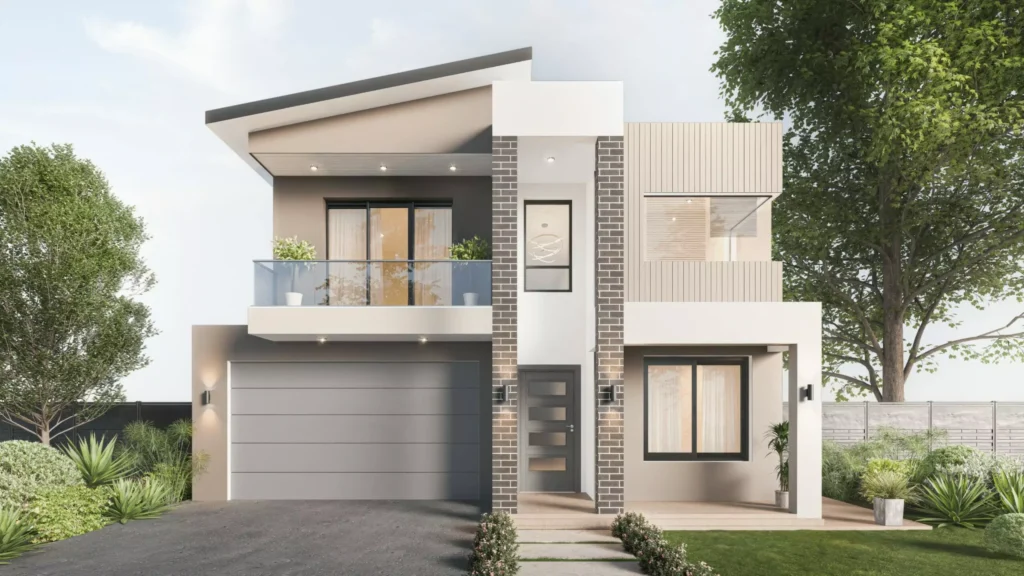
A home is no longer simply a place to eat, sleep, and store personal belongings. Modern households use their living spaces for work, study, entertainment, exercise, socializing, and relaxation. As routines continue to change, homeowners are increasingly interested in making their houses more practical without sacrificing comfort. Thoughtful planning can create flexible spaces that continue to serve a household even when its needs evolve.
Design Rooms Around Multiple Uses
One of the most effective ways to create a practical house is to avoid designing every room for a single purpose. A spare bedroom, for example, might function as a home office during the week and provide accommodation for visitors when necessary. A dining area can also become a study space for children or a temporary workspace for adults.
Flexibility is especially valuable as more everyday activities become connected to digital services. People might work remotely, access educational resources, or Visit Banglarbhumi and other online platforms from home. Creating comfortable areas with reliable connectivity, accessible power outlets, and suitable lighting can therefore make everyday digital tasks easier.
Make Storage Part of the Design
Practical homes need sufficient storage, but simply adding large cabinets everywhere is not always the best solution. Storage should be positioned according to where items are actually used. Entryways can include space for shoes, bags, umbrellas, and outdoor equipment, while kitchens benefit from organized storage close to preparation areas.
Technology also affects what households need to accommodate. Smartphones, tablets, laptops, and platforms such as the digishakti app demonstrate how digital devices have become connected with everyday activities. A dedicated charging station or small technology drawer can prevent cables, chargers, and devices from creating unnecessary clutter.
Keep Important Information Easily Accessible
Household organization extends beyond physical belongings. Families often manage property records, bills, warranties, identification documents, insurance information, and other important records. Establishing one secure location for physical documents and maintaining organized digital copies can save considerable time.
For example, someone may need to Visit Mp Bhulekh when looking for information connected with land records. Having relevant property details and supporting documents organized beforehand can make such administrative tasks more manageable. A practical home should therefore include a simple system for both paper and digital recordkeeping.
Create Space That Can Adapt to New Opportunities
Changing daily needs are not limited to household routines. Career plans, education, entrepreneurship, and family circumstances can all influence how space is used. Someone starting a small business may suddenly need a quiet work area, additional storage, or space for administrative tasks.
Access to resources such as the Cm Yuva Udyami Yojana Portal may also encourage individuals to explore entrepreneurial opportunities. A flexible room, unused corner, or properly organized garage can potentially support a small home based activity without requiring extensive renovations.
Plan for Everyday Accessibility
Practical design should consider how comfortably people can move through a house. Wide and uncluttered pathways, conveniently positioned storage, adequate lighting, and easily accessible switches can benefit people of different ages. These features may also make the property easier to use as household circumstances change.
Homeowners should consider future needs when planning renovations instead of focusing exclusively on current preferences. Even online resources such as apnakhatarajsthan.com reflect the broader importance of keeping property related information accessible and organized when dealing with land or household matters.
Focus on Daily Convenience
A practical home does not necessarily require expensive technology or major structural changes. Often, the biggest improvements come from examining ordinary frustrations. Poorly positioned storage, insufficient lighting, crowded work surfaces, and rooms with limited flexibility can make simple routines unnecessarily difficult.
The most useful homes evolve alongside the people living in them. By prioritizing adaptable rooms, organized storage, digital readiness, accessibility, and everyday convenience, homeowners can create spaces that remain functional through changing routines and new stages of life. Practical design ultimately means making the house work around the household rather than forcing the household to work around the house.