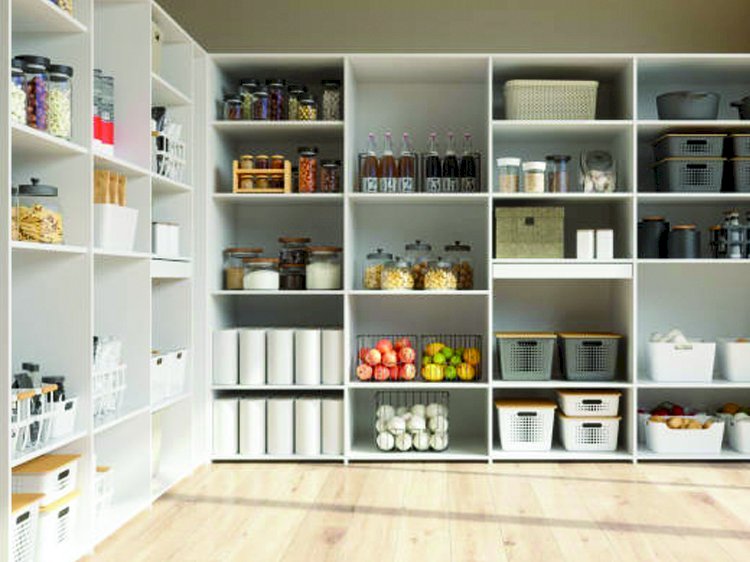
Homes naturally accumulate items over time. Furniture, kitchen appliances, decorations, books, clothing, and hobby supplies can slowly fill every available storage area. While many of these items are useful or meaningful, keeping them all within a limited household space can create disorganization. When closets overflow and garages become crowded, it becomes difficult to maintain a clean and comfortable environment. Using efficient storage ideas can help homeowners manage extra household items while maintaining a well organized living space. Homeowners looking for additional tips on organizing belongings and managing extra household items can explore practical storage insights and ideas at https://scottsdale-storage.com/blog/.
Creating effective storage solutions does not always require major changes to the home. With thoughtful organization and the use of additional storage options, households can manage belongings in a way that keeps rooms functional and clutter-free.
Sorting And Categorizing Household Items
The first step in managing extra household items is understanding what needs to be stored. Many homes contain belongings that serve different purposes throughout the year. Some items are used daily, while others are only needed occasionally.
It is simpler to decide where to put objects when they are sorted into categories. Everyday items should remain easily accessible within the home, while items used less frequently can be placed in designated storage areas. Grouping similar items together also helps homeowners locate belongings quickly when they are needed.
Organizing household items into categories creates a structured system that prevents clutter from building up again over time.
Using Vertical Space More Effectively
Many homes have unused vertical space that can be turned into practical storage. Walls, shelves, and tall cabinets can provide additional room for storing household items without taking up floor space.
Installing wall-mounted shelves or tall storage units allows homeowners to store books, decorative items, or containers in an organized manner. It is simpler to decide where things should be stored when they are categorized.
Vertical storage can also be used in closets or storage rooms to maximize capacity. By stacking items properly and using labeled containers, homeowners can keep belongings accessible while maintaining order.
Storing Items Based On Frequency Of Use
Another useful strategy is storing items according to how often they are needed. Frequently used items should remain within easy reach, while rarely used belongings can be placed in secondary storage areas.
For example, everyday kitchen tools should be stored in accessible cabinets, while specialty cooking equipment used only during holidays can be placed in storage containers or external storage spaces. This approach helps reduce clutter in commonly used areas of the home.
Organizing items based on usage frequency also simplifies daily routines because essential belongings remain easy to find.
Protecting Seasonal And Specialty Items
Certain household items are only used during specific seasons or special occasions. Holiday decorations, outdoor furniture accessories, and seasonal clothing may occupy valuable space when they are not in use.
Using dedicated storage containers for these items helps keep them protected and organized. Clearly labeled containers make it easier to locate decorations or equipment when the season arrives again. Placing these containers in storage areas separate from daily household items helps maintain order throughout the home.
For households with limited storage space, placing seasonal items in external storage can also free up room for everyday living.
Creating Multi-Purpose Storage Areas
Homes often contain areas that can serve multiple purposes when organized effectively. Storage benches, under-bed containers, and cabinets with hidden compartments can provide practical storage solutions without occupying additional space.
Furniture with built in storage allows homeowners to store items while maintaining the visual appearance of the room. This type of storage works well for items such as blankets, books, or small household accessories.
Multi-purpose storage areas are especially helpful in smaller homes where maximizing every available space is important.
Maintaining Long-Term Organization
Efficient storage systems work best when they are maintained consistently. Periodically reviewing stored items helps prevent unnecessary accumulation and keeps storage areas organized.
Homeowners can occasionally reorganize their belongings, remove unused items, and adjust storage arrangements based on changing needs. This habit ensures that storage systems remain effective over time.
Conclusion
Managing extra household items requires thoughtful organization and practical storage strategies. By sorting belongings, using vertical space, storing items based on frequency of use, and protecting seasonal items properly, homeowners can maintain clean and functional living environments. Efficient storage ideas allow households to manage their belongings without overcrowding living spaces. With a well-planned approach to storage, homes can remain comfortable, organized, and adaptable to changing needs.