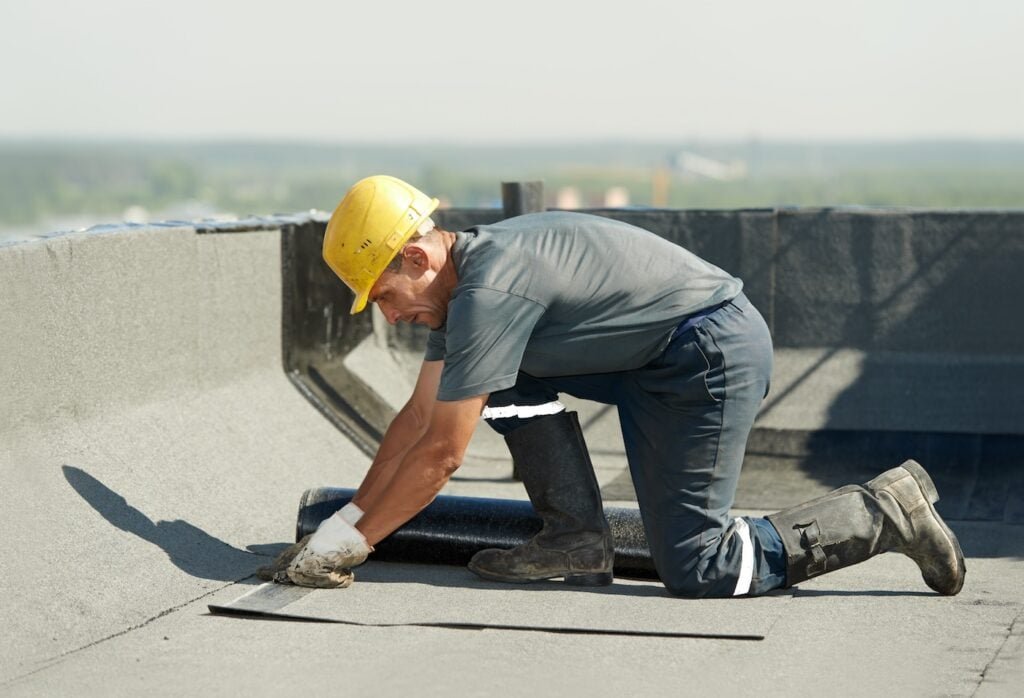
Flat roofs are widely used in commercial buildings because they offer practical space utilization, easier equipment installation, and relatively affordable construction. However, maintaining these roofing systems requires careful attention to drainage, waterproofing, structural conditions, and environmental exposure. Unlike sloped roofs, flat roofs have minimal inclines, making them more vulnerable to standing water and moisture accumulation. Understanding common repair challenges allows commercial property owners to protect their investments, reduce maintenance expenses, and prevent disruptions to business operations.
Standing Water and Poor Drainage
One of the most common challenges associated with flat roofs is water accumulation. Although flat roofs are designed with slight slopes, inadequate drainage can cause rainwater to remain on the surface for extended periods. This condition, commonly called ponding water, increases pressure on roofing materials and may accelerate deterioration.
Blocked drains, damaged gutters, and improper roof slopes often contribute to drainage problems. Over time, standing water can weaken roofing membranes, encourage biological growth, and increase the risk of leaks. Property owners should schedule regular drainage inspections and remove debris from roof outlets. When drainage problems persist, professional repairs may involve adjusting roof slopes, installing additional drains, or improving existing drainage systems.
Roof Membrane Damage and Deterioration
Commercial flat roofs commonly use waterproof membranes made from materials such as EPDM, TPO, PVC, or modified bitumen. These materials provide protection against moisture, ultraviolet radiation, and changing weather conditions. However, continuous environmental exposure can eventually cause cracks, punctures, seam separation, and surface deterioration.
Foot traffic from maintenance personnel and equipment installation can also damage roofing membranes. Even small punctures may allow water to penetrate underlying insulation and structural components.
Working with an experienced commercial roofing company helps property owners identify membrane damage and determine suitable repair methods. Depending on the roofing material and extent of deterioration, repairs may include specialized patches, seam reinforcement, or replacement of damaged membrane sections.
Hidden Moisture and Insulation Problems
Water intrusion is particularly challenging because moisture can travel beneath roofing membranes before becoming visible inside a building. A ceiling stain may appear far from the actual point where water entered the roof.
Trapped moisture can reduce insulation performance, increase heating and cooling expenses, and contribute to material deterioration. In difficult situations, prolonged exposure may damage roof decking or encourage mold growth.
Professional inspections may involve moisture meters, infrared imaging, or carefully selected test openings to identify affected areas. These techniques help determine whether localized repairs are sufficient or whether damaged insulation requires replacement. Addressing hidden moisture early can prevent extensive structural repairs and unnecessary operational expenses.
Flashing Failures Around Roof Penetrations
Commercial flat roofs frequently contain HVAC units, ventilation systems, skylights, pipes, and other rooftop installations. Each penetration creates a potential weak point where water can enter if the surrounding flashing becomes damaged or improperly sealed.
Temperature changes, building movement, and aging sealants can gradually weaken flashing connections. Repairs become more complicated when rooftop equipment restricts access or requires temporary relocation.
Property owners should ensure that flashing systems receive attention during routine inspections. Replacing deteriorated sealants, reinforcing vulnerable connections, and repairing damaged flashing materials can significantly improve waterproofing performance.
Structural Movement and Temperature Changes
Commercial buildings experience natural expansion and contraction as temperatures fluctuate. Roofing materials respond differently to these changes, creating stress around seams, joints, and attachment points.
Over time, repeated movement may cause membrane splitting, adhesive failure, or separation around roof edges. Buildings with large roof surfaces can experience particularly significant thermal movement.
Effective repairs require understanding how the roofing system accommodates expansion and contraction. Simply sealing visible cracks without addressing movement may provide only temporary relief. Proper repair techniques should account for material compatibility, joint flexibility, and existing roof conditions.
Repairing Roofs Without Disrupting Business Operations
Commercial roof repairs often take place while buildings remain occupied. This creates challenges involving employee safety, customer access, equipment protection, and operational scheduling.
Repair activities may produce noise, odors, vibrations, or temporary restrictions around certain building areas. Restaurants, warehouses, offices, and retail facilities may have different operational requirements that influence repair planning.
Coordinating work schedules with roofing contractors helps minimize disruptions. Property owners should discuss access arrangements, safety precautions, weather considerations, and expected project timelines before repairs begin.
Choosing Between Roof Repair and Replacement
Determining whether a flat roof should be repaired or replaced is another important challenge. Localized membrane damage, minor flashing problems, and isolated leaks may be resolved through targeted repairs. However, widespread deterioration, recurring leaks, or extensive moisture damage may indicate that replacement is more economical.
A qualified commercial roofing company can evaluate the roof’s age, material condition, drainage performance, and repair history before recommending appropriate solutions. Property owners should consider both immediate expenses and long-term maintenance requirements when comparing available options.
Conclusion
Flat roof repair involves more than fixing visible leaks. Drainage deficiencies, membrane deterioration, hidden moisture, flashing failures, and structural movement can all affect commercial roofing performance. These challenges become more manageable when property owners prioritize inspections, preventive maintenance, and timely professional repairs. Understanding the condition of a flat roofing system helps businesses make informed maintenance decisions, control repair costs, and maintain reliable protection for their buildings over time.