
Urban living often comes with the challenge of limited space. Apartments, townhouses, and compact homes rarely offer sprawling yards for gardens. Yet, the desire to stay connected with nature and enjoy greenery is stronger than ever. Vertical gardens provide the perfect solution—bringing lush plant life into small spaces while offering aesthetic, environmental, and wellness benefits. Whether it’s a wall of herbs in the kitchen or cascading plants in the living room, vertical gardens are redefining how we incorporate nature into modern living.
Aesthetic Appeal For Modern Homes
Vertical gardens transform plain walls into vibrant green displays. They create a striking focal point in any room while softening the feel of small, confined spaces. Plants introduce natural textures and calming colors that elevate interiors without overwhelming them.
This visual transformation can be compared to choosing the right insta dp viewer image—just as a carefully selected profile picture instantly enhances your digital presence, a vertical garden instantly enhances the atmosphere of your home, making it feel fresher and more alive.
Vertical Gardens And Compliance
While vertical gardens are primarily decorative, homeowners in apartments or complexes may need to consider regulations before installation. Structures attached to shared walls or balcony facades sometimes require approval to ensure safety and compliance with building rules.
To navigate these issues smoothly, people often rely on a legal professional directory to find expert guidance. Just as legal professionals help clarify property and tenancy agreements, they can also advise on rules affecting home modifications—ensuring your garden project is both beautiful and compliant.
Green Therapy For Emotional Well-Being
Beyond aesthetics, vertical gardens contribute to mental health. Exposure to greenery reduces stress, boosts mood, and improves focus. Tending to plants fosters mindfulness, creating a calm routine in an otherwise busy lifestyle.
The emotional connection people form with their plants can be as expressive as gangster shayari in Hindi, which blends boldness and passion into poetry. Just as powerful words convey emotions, a flourishing wall of greenery becomes a statement of creativity, resilience, and life.
Technology And Garden Design
The rise of vertical gardens has also been supported by advancements in design and technology. From modular panels and self-watering systems to specialized lighting, innovations make it easier for even beginners to create thriving gardens indoors.
Businesses in the design sector often look to platforms like website design companies directory Australia to connect with reliable professionals. Similarly, homeowners can use innovative tools and guides to connect with modern garden solutions, ensuring their vertical gardens are both stylish and sustainable.
Practical Benefits Beyond Beauty
Vertical gardens don’t just look good—they work hard, too. Plants purify indoor air, reduce noise levels, and even help regulate temperature by adding humidity. In small apartments, growing edible plants like herbs and leafy greens can reduce grocery costs while ensuring access to fresh, healthy food.
For those who prefer professional installation, resources like find a tradesman make it easy to connect with experts who can build customized vertical garden systems. Skilled tradespeople can ensure the garden is securely mounted, properly irrigated, and designed for long-term success.
Vertical Gardens For Tiny Spaces
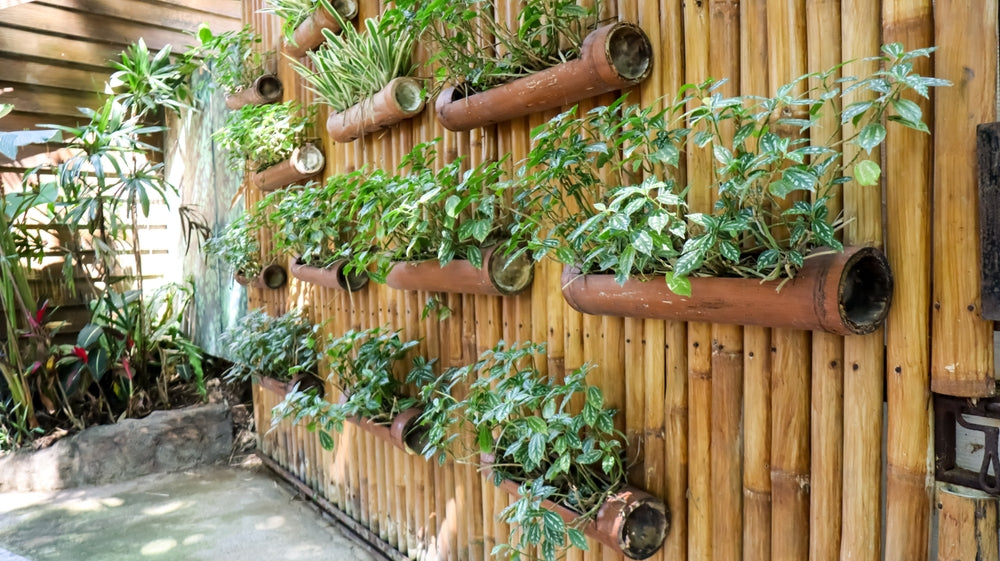
One of the greatest advantages of vertical gardens is their adaptability. Even in a studio apartment, homeowners can find room for greenery by using narrow walls, balcony railings, or modular shelf systems. Options like hanging planters or stackable pots make it possible to grow more in less space, proving that lack of square footage is no longer a barrier to enjoying a garden.
These solutions are especially attractive for city dwellers who want the tranquility of plants without sacrificing precious living space.
Sustainability And Eco-Friendly Living
Vertical gardens also contribute to sustainable lifestyles. They promote energy efficiency by improving insulation, reducing the need for cooling systems in warm weather. By incorporating plants indoors, homeowners reduce their environmental footprint while reconnecting with the natural world.
This sustainable approach resonates with modern trends in eco-conscious living, where design and responsibility work hand-in-hand.
Getting Started With Your Vertical Garden
Creating a vertical garden doesn’t require expert-level skills. Beginners can start with small herb walls in kitchens or decorative arrangements in living rooms. Consider these steps to get started:
- Choose the right location with adequate light.
- Select low-maintenance plants such as ferns, succulents, or herbs.
- Use modular systems or DIY hanging structures for flexibility.
- Install an irrigation system or water plants consistently.
- Monitor and prune regularly to keep plants healthy.
These simple steps make it possible for anyone to add a touch of green to their home, regardless of size.
Conclusion
Vertical gardens are more than just a design trend—they are a lifestyle shift toward healthier, greener, and more mindful living. They bring beauty, functionality, and emotional wellness into even the smallest of spaces. Like a profile image that speaks volumes, a trusted directory that provides solutions, or poetry that conveys passion, vertical gardens enrich daily life in subtle yet powerful ways. By embracing vertical gardening, compact homeowners can transform walls into living canvases, creating spaces that are not only stylish but also restorative and sustainable.