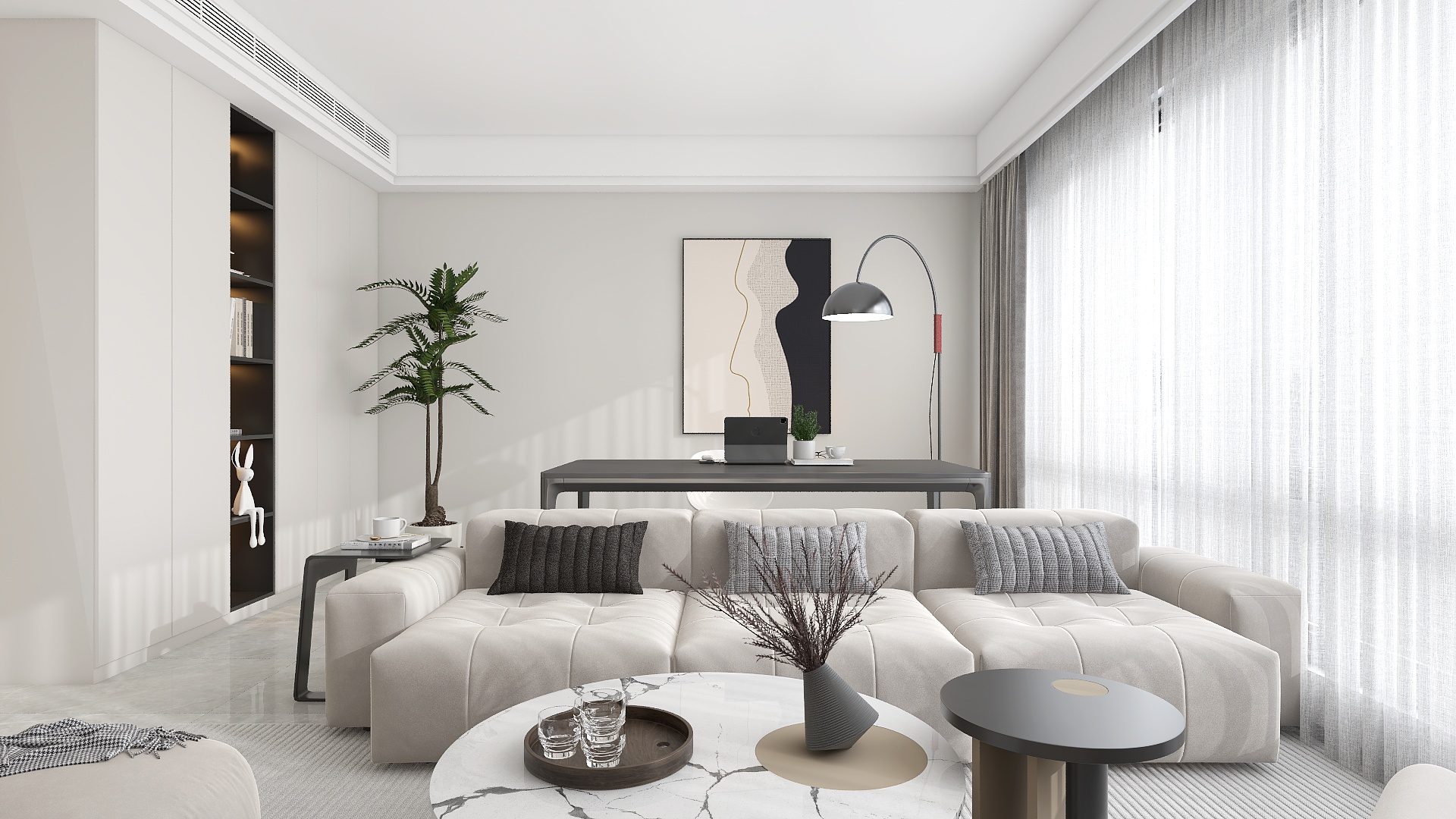
Modern homes are expected to do more than simply provide shelter. They now serve as workplaces, gathering spaces, relaxation zones, and personal retreats all at once. Because of this shift, homeowners are searching for ways to create interiors that feel open and connected while still offering moments of privacy and calm. Achieving the right balance between openness and separation has become one of the most important goals in contemporary home design.
A well balanced home allows people to enjoy social interaction without feeling exposed or overwhelmed. Through thoughtful layouts, strategic furniture placement, and intentional design choices, it is possible to create spaces that feel welcoming while still protecting personal comfort.
Why Open Spaces Became So Popular?
Open concept living gained popularity because it encourages connection and flexibility. Kitchens flowing into dining and living areas make communication easier and create a greater sense of space. Natural light also travels more effectively through open layouts, helping interiors feel brighter and more inviting.
Families often prefer open areas because they make everyday activities more convenient. Parents can supervise children while cooking, and guests can interact comfortably during gatherings. These layouts also adapt more easily to changing needs over time.
At the same time, many homeowners have realized that complete openness may not always support concentration, relaxation, or personal privacy. Noise spreads quickly, visual clutter becomes more noticeable, and quiet moments become harder to find. This realization has encouraged designers to rethink how homes can remain connected without sacrificing comfort.
The Growing Importance of Quiet Areas
As remote work and flexible schedules become more common, quiet spaces inside the home have become essential. People now value small retreats where they can focus, recharge, or simply spend time alone away from distractions.
This shift reflects broader business trends australia where work life integration continues to influence architecture and interior design. Homes are no longer designed only for evenings and weekends. They must support productivity throughout the day while still remaining comfortable living environments.
Creating privacy does not always require large rooms. A reading nook near a window, a compact study corner, or a secluded patio can provide meaningful separation from busy household activity.
Flexible Designs for Changing Lifestyles
Modern lifestyles change quickly, and homes must adapt accordingly. Flexible interiors allow residents to adjust spaces based on their daily needs. Foldable furniture, sliding doors, and multipurpose rooms help maintain openness while offering the option for privacy when required.
This approach has become increasingly relevant for families, professionals, and even shared living arrangements. Similar to the adaptability seen in professional services australia, home design is evolving to meet more personalized and dynamic expectations.
A dining area may become a workspace during the day, while a guest room may double as a creative studio. Flexible layouts support these transitions without making homes feel crowded or disconnected.
The Role of Sound and Visual Privacy
Privacy is not only about physical separation. Sound control and visual comfort are equally important. Soft furnishings such as rugs, curtains, and upholstered furniture help absorb noise in open layouts. Acoustic panels and textured wall finishes can also reduce echoes and improve comfort.
Visual privacy matters as well, especially in homes with large windows or closely connected rooms. Frosted glass, layered curtains, and carefully positioned furniture help create personal boundaries without blocking natural light.
Many interior designers share these evolving ideas through platforms connected with the news blog guest post community, where discussions about modern living continue to influence homeowner preferences around the world.
Designing Homes Around Human Comfort
The most successful homes are designed around how people actually live rather than how spaces simply appear in photographs. A visually impressive interior may still feel uncomfortable if it lacks areas for rest, focus, or privacy.
This human centered approach is now being discussed widely across platforms connected with business write for us australia, where lifestyle design and practical functionality are increasingly linked together. Comfort, flexibility, and emotional wellbeing are becoming just as important as visual appeal.
Homeowners are beginning to understand that openness works best when paired with intentional boundaries. The goal is not to eliminate walls entirely but to create spaces that feel connected without becoming overwhelming.

A New Direction for Modern Living
The future of home design is moving toward balance rather than extremes. Instead of choosing between completely open layouts or heavily divided interiors, people now prefer spaces that combine the strengths of both approaches.
This evolution mirrors the priorities of small business australia, where adaptability, efficiency, and personal wellbeing are valued more than rigid traditional structures. Homes today are expected to support many aspects of life simultaneously, making thoughtful design more important than ever.
Creating homes that balance privacy and openness naturally is ultimately about understanding human needs. When spaces allow people to connect comfortably while still protecting moments of solitude, homes become far more than functional structures. They become environments that genuinely support healthier, calmer, and more meaningful everyday living.